
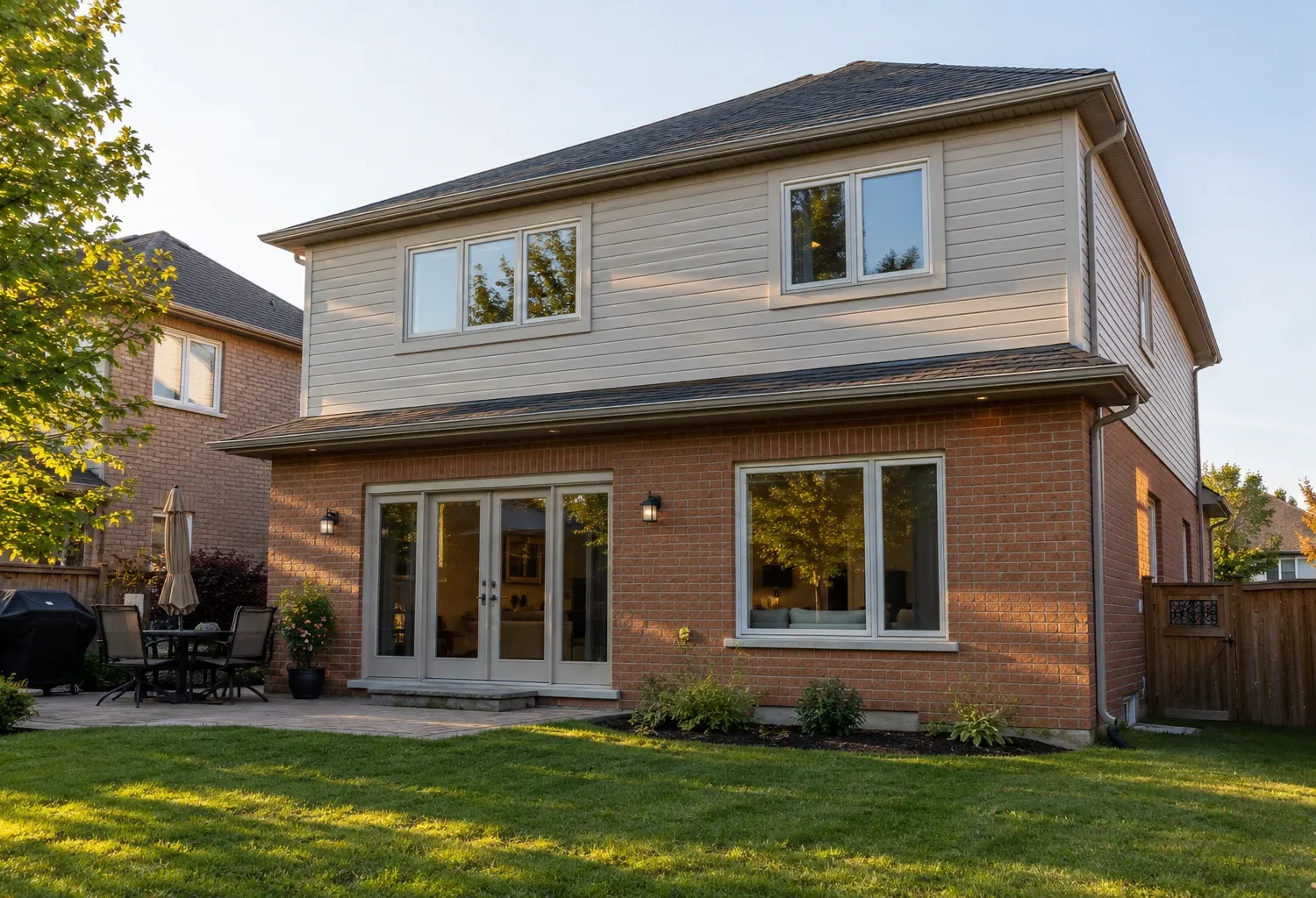
The decision to add on or move is often framed as a simple price comparison. In practice, the two choices change different parts of life. An addition keeps the address, neighbourhood connections, and much of the existing house while requiring design, approvals, construction, and a period of disruption. Moving can change the house and location at once, but involves finding a suitable property, transaction costs, financing questions, and the possibility that the replacement home still needs work.
There is no universal winner for a Milton household. The useful comparison begins with the specific things the current house lacks, what the present property can realistically accommodate, and what a replacement home would need to deliver. This guide sets out a decision method that includes quality of life and the whole-house result, not just a rough addition square-foot price beside an asking price.
Name the problem before choosing the solution
Is the household short a bedroom, or is the deeper issue that existing rooms are poorly arranged? Would a larger kitchen solve gatherings, or is the front entry also failing daily use? Do you need a main-floor suite for a parent, more privacy for teenagers, a work room, or a better route from garage to home? Write the functional requirements and rank them. If the current house already has the needed floor area but its layout is ineffective, a renovation may solve more than a new addition.
Also list qualities you want to protect: school relationships, commute, yard, familiar neighbours, access to family, or a particular location in Milton. Moving can improve some of these and compromise others. An addition can preserve them but cannot change the lot’s location or every inherent limitation of the house. A decision made around a single desirable room can miss the broader daily picture.
Test what the current property can genuinely support
Before assigning a cost to an addition, test feasible forms. Could a rear extension connect to the kitchen without eliminating the yard? Is there enough side width for a useful room after setbacks, access, and drainage? Could a second storey be structurally and functionally workable with a proper stair? If the goal is a main-floor accessible suite, an upstairs solution may not meet the real need even if it fits more easily on the lot.
Milton’s property-specific zoning, existing structure, survey, grades, and other site constraints must be reviewed. A preliminary sketch is not a guarantee that the house can grow in that shape. Some sites may involve conservation, heritage, or variance processes; many will not. If the desired space cannot be added without sacrificing valued yard or making the existing plan worse, moving deserves more weight.
Compare complete project and transaction costs
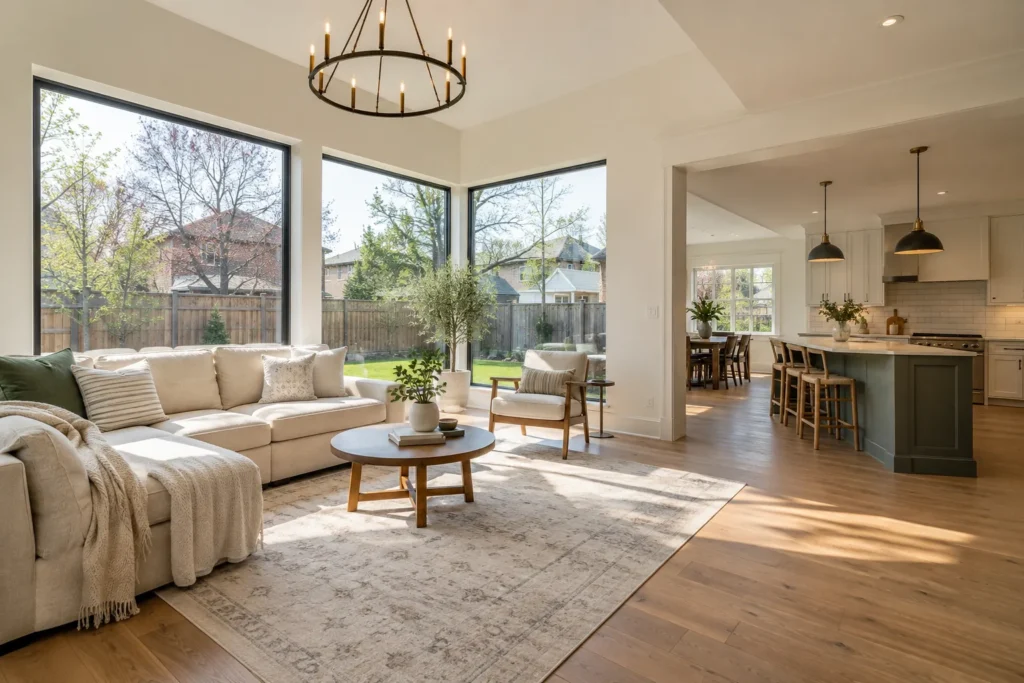
An addition budget should include design, approvals, structure, foundation or roof work, new rooms, services, existing-home renovation, site work, finishes, taxes, and appropriate contingency. A kitchen or bathroom can change the scope considerably. Temporary accommodation and storage may also matter if the house cannot be occupied comfortably during key phases. The cost guide shows how to separate these items rather than relying on a universal rate.
The moving side of the comparison should include the actual purchase and sale circumstances, transaction expenses, financing and carrying considerations, repairs to prepare the current home, moving, and work needed in the replacement property. These amounts change with the market and household, so obtain current professional financial and legal information for a real comparison. An attractive listing can still require a renovated kitchen or different layout, while an addition can sometimes avoid changing every other room in a well-loved house.
Consider time and disruption on both sides
An addition has a design and approval period before construction, then work around or inside the occupied home. A rear kitchen extension can interrupt cooking; a second storey may require a temporary living plan during roof and structural work. Ask which rooms will remain usable and when. An uncertain variance or other approval can affect timing. Do not promise a fixed completion date before the project and permit path are known.
Moving also consumes time: searching, competing for a suitable home, coordinating a sale and purchase, packing, changing routines, and possibly renovating after closing. The disruption is different, not necessarily absent. If a household has a firm timing need, compare practical sequences and alternatives. A smaller targeted renovation may bridge the need while a longer-term decision is made, but it should not become a costly substitute for an unexamined housing plan.
Evaluate the finished home, not just the extra rooms
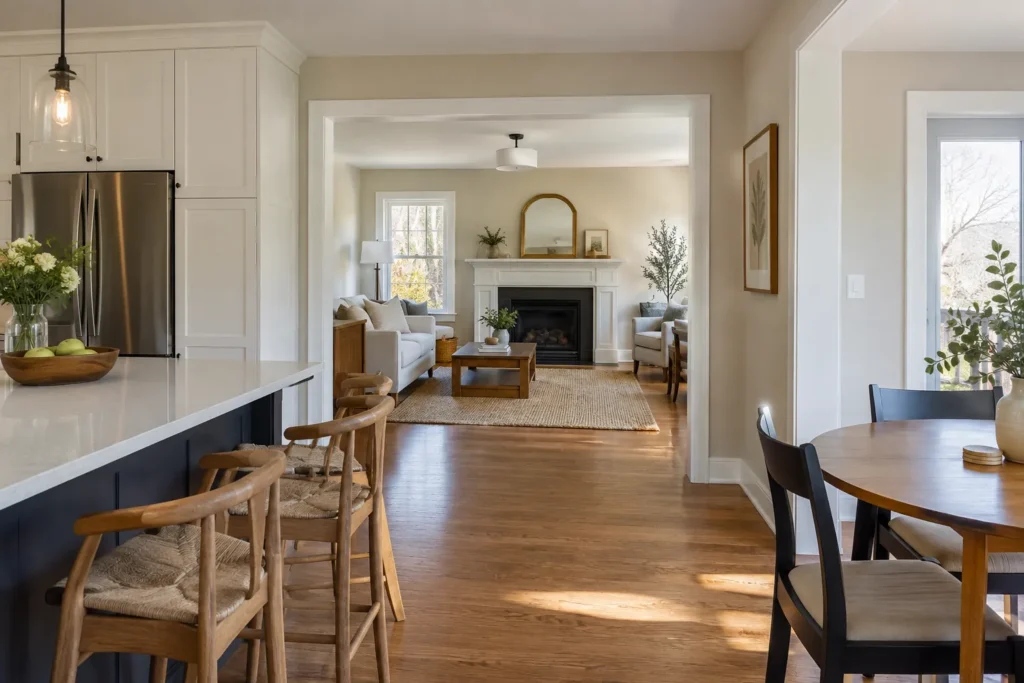
Draw the current house after the proposed addition. Does the old kitchen become a useful pantry or circulation zone, or a dark residual space? Will the new family room feel connected to meals and yard? Are bedrooms and bathrooms arranged sensibly? An addition that creates area but leaves an awkward original plan may underperform a move. Conversely, a carefully planned addition and whole-home renovation can transform a good location and house into a better long-term fit.
Evaluate a potential replacement home with the same rigour. Count usable rooms, privacy, storage, entry, accessibility, and outdoor space, not only advertised square footage. A larger house can still have poor circulation or rooms that need work. Compare the daily experience of each finished option after necessary repairs or renovation, rather than comparing an idealized new addition with a listing photograph.
Long-term needs can change the answer
A growing family may need bedrooms now and separation later. A parent moving in may need a bedroom, bath, sitting space, accessible route, and appropriate shared or private access. A work room may have a different life span. Think about whether the addition remains useful if household circumstances change. A flexible room and sensible circulation can serve several phases without assuming every multi-generational arrangement is a separate dwelling unit.
Moving may offer a more suitable location, different school or commute pattern, or a house that already meets accessibility needs. It can also introduce a property with unknown maintenance costs or a less useful lot. An addition preserves the existing neighbourhood but may lock a substantial investment into a property whose other limitations remain. The household’s likely horizon and attachment to the location belong in the decision.
Use a comparable decision sheet
Write one column for an addition and one for moving. Under each, list the required rooms and routes, likely changes to existing spaces, location advantages, property constraints, budget components, approval or transaction uncertainties, timing, construction or relocation disruption, and the quality of the finished result. Mark what is known and what needs investigation. Do not fill uncertain cells with optimistic assumptions just to make one route look better.
For the addition, begin with a survey if available, house photos, household brief, and an early design and property review. For moving, identify actual housing options and current transaction information. If both can meet the brief, the choice becomes a personal one about place, control over design, money, and tolerance for disruption. That is a better decision than accepting a generic claim that adding is always more economical or that moving is always easier.
Revisit the choice after the first property review rather than treating the initial preference as permanent. A feasible addition plan may make staying more compelling; a structural or zoning constraint may make the desired result less practical. On the moving side, a focused search may show that suitable houses are scarce or that a different location brings benefits the existing lot cannot offer. Good decisions improve as the unknowns become specific.